Dig Island
Game Design · Systems & Economy · MYM Games · 2026
About the game
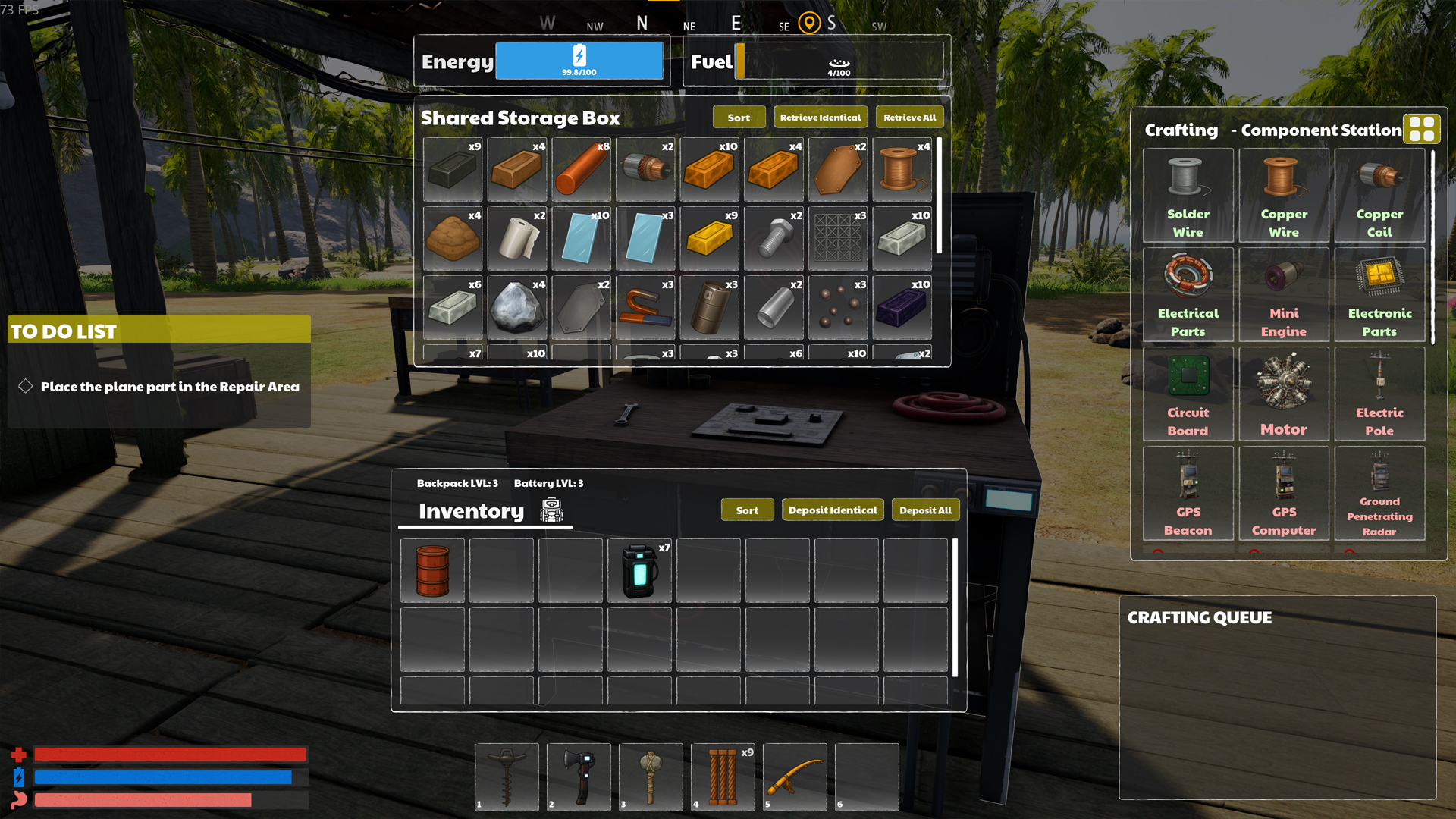
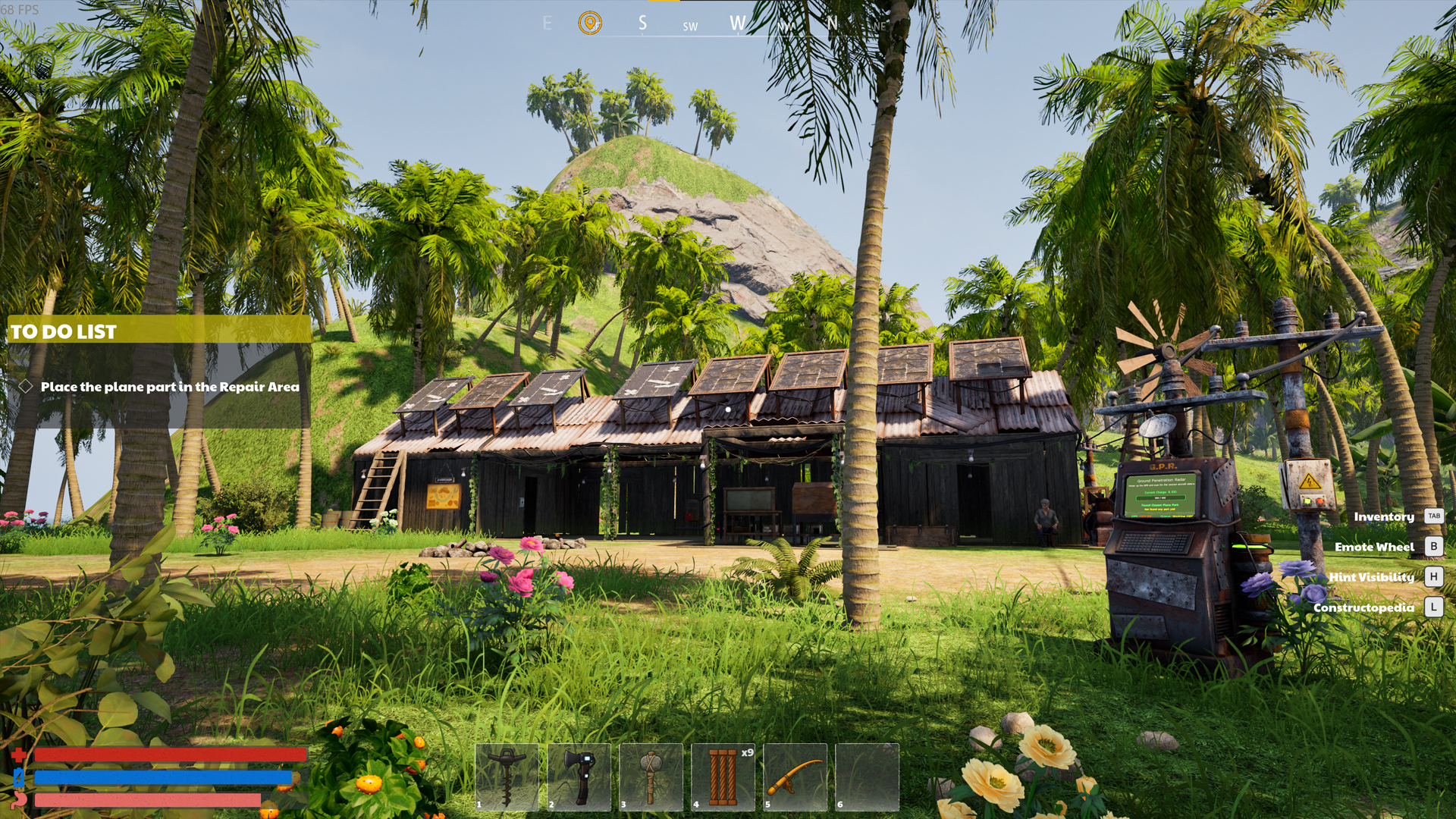
Dig Island is a digging and survival game for solo play or up to four players. Players gather resources, upgrade equipment and rebuild a crashed plane to escape the island.
My role
The original designer led the project through its demo release. I collaborated during that period and took on sole game-design responsibility as Early Access approached, continuing through release and subsequent updates.
My work covered gameplay testing and UX improvements, progression fixes, resource balancing, dialogue finalization, and new-system design and review. I also contributed revisions to the questline and lore.
Reworking the Fishing Experience
After Early Access, player feedback and our own testing highlighted that fishing felt overly difficult and grind-heavy. I worked on the rework with final design approval over rod tiers, catch types and yields, and introduced a more flexible reeling input.
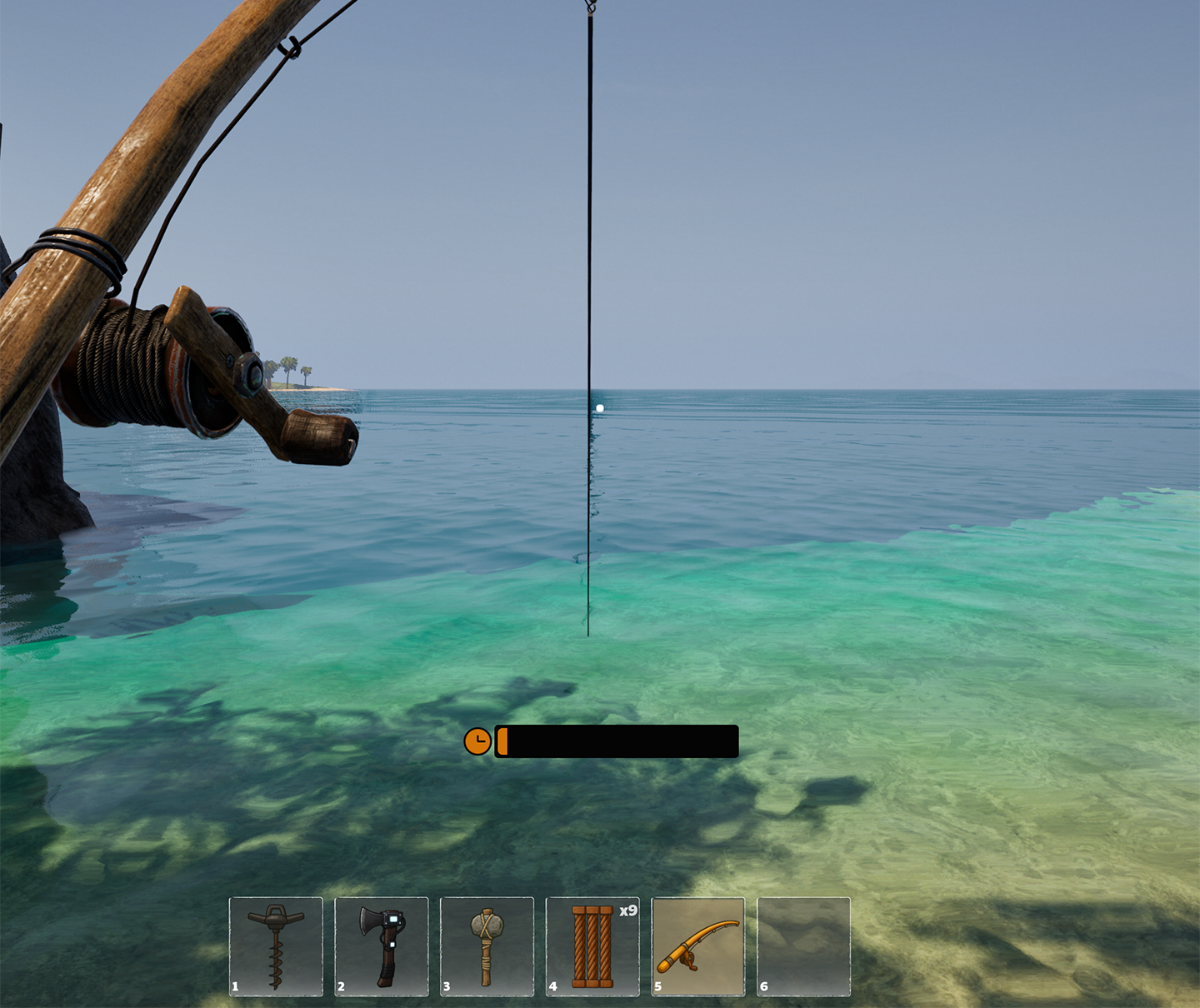
01 · Hook the catch
After a fish bites, the player must respond before the timer runs out.
02 · Reel it in
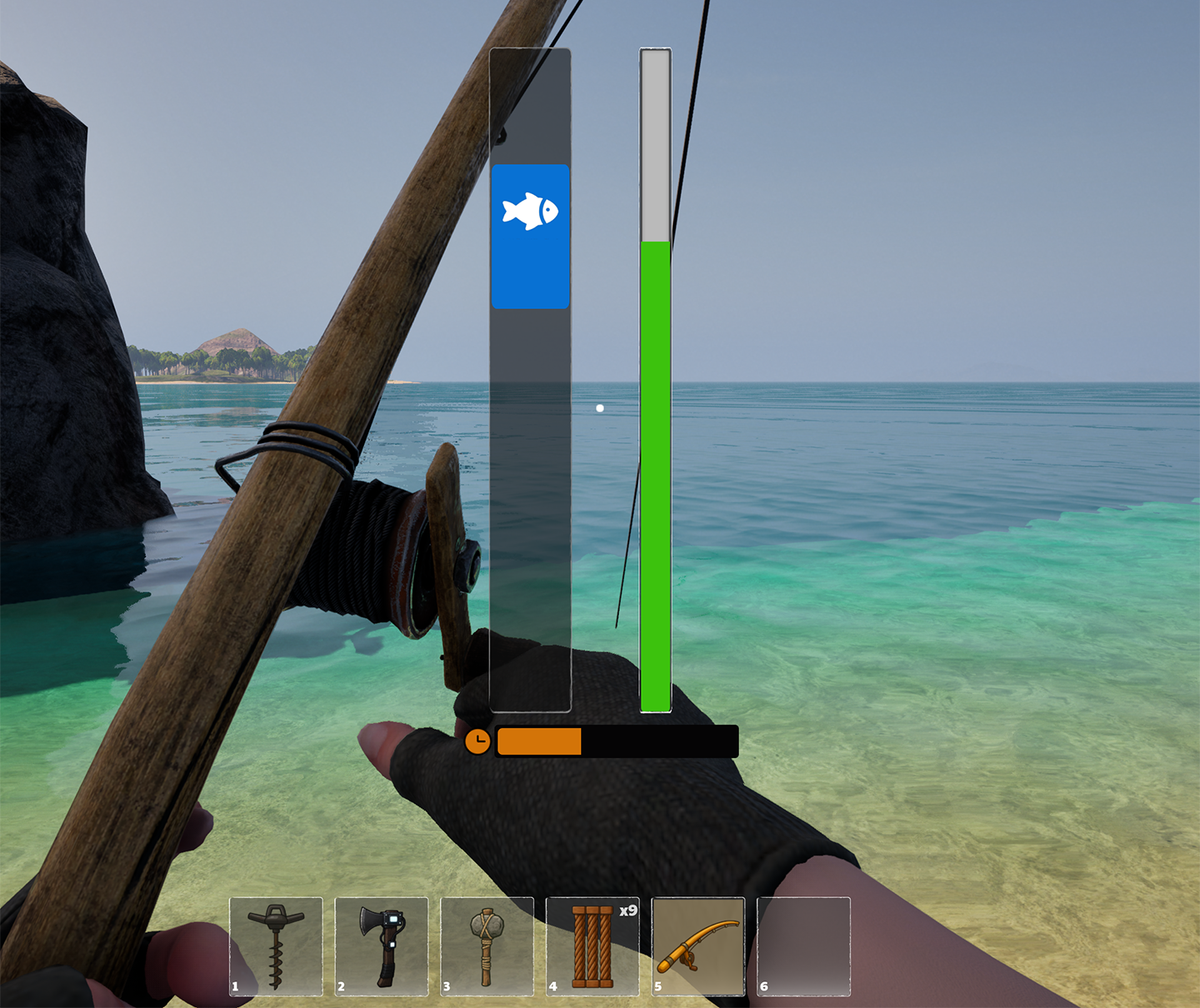
Keep the moving fish within the blue zone to build catch progress before time runs out.
The fishing minigame moves from a timed response to a sustained reeling challenge.
A more flexible input
The reeling stage originally used click-only input. I proposed adding hold as an alternative, allowing players to control the blue zone with either action. The change was included in the released version.
Connecting fishing to survival
I revised rod tiers, catch distribution and food values so that better equipment offered a better chance of catching more valuable fish, connecting fishing progression to food preparation and survival.
Documented catch distribution by rod tier
| Catch | Rod Lv1 | Rod Lv2 |
|---|---|---|
| Mackerel | 30% | 25% |
| Bass | 20% | 35% |
| Salmon | 10% | 30% |
| Recyclable junk | 40% | 10% |
Documented catch distributions for the two fishing-rod tiers.
Progression & Resource Economy
My balancing work addressed three connected problems: an early progression block, excess rare resources, and the cost of rebuilding the plane.
A hammer the player could always reach
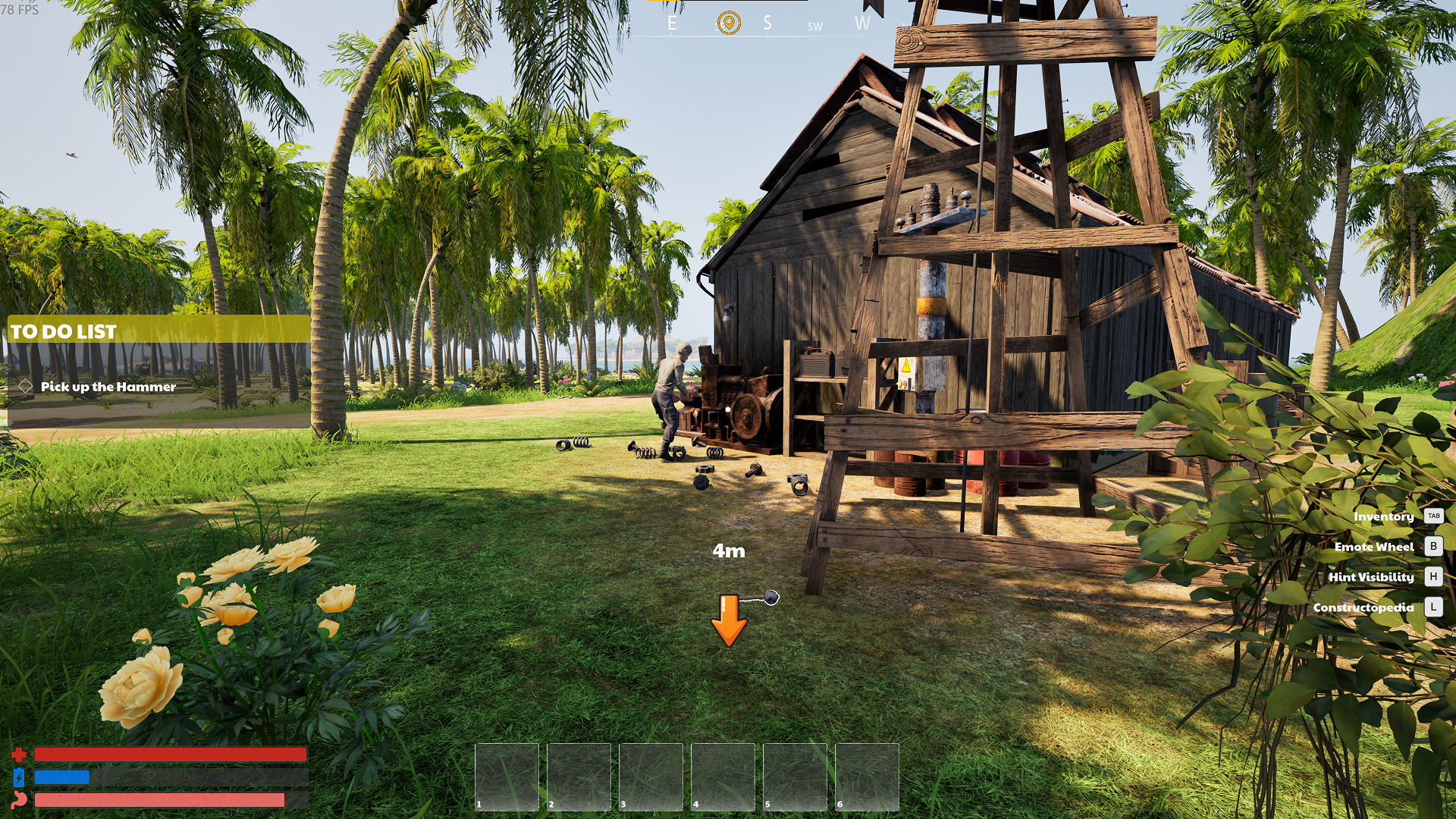
Players could spend the available energy before crafting the hammer required to continue. I resolved this by making the Stone Hammer a found object at the start of the quest, removing the energy dependency from this early progression step.
Earlier dependency
Limited energy
Can be spent elsewhere
↓
Craft hammer
Progress can stall
Revised quest
Find hammer
At the quest’s start
↓
Continue
No crafting energy required
Simplified explanation of the design change.
Reducing the oversupply of valuable ores
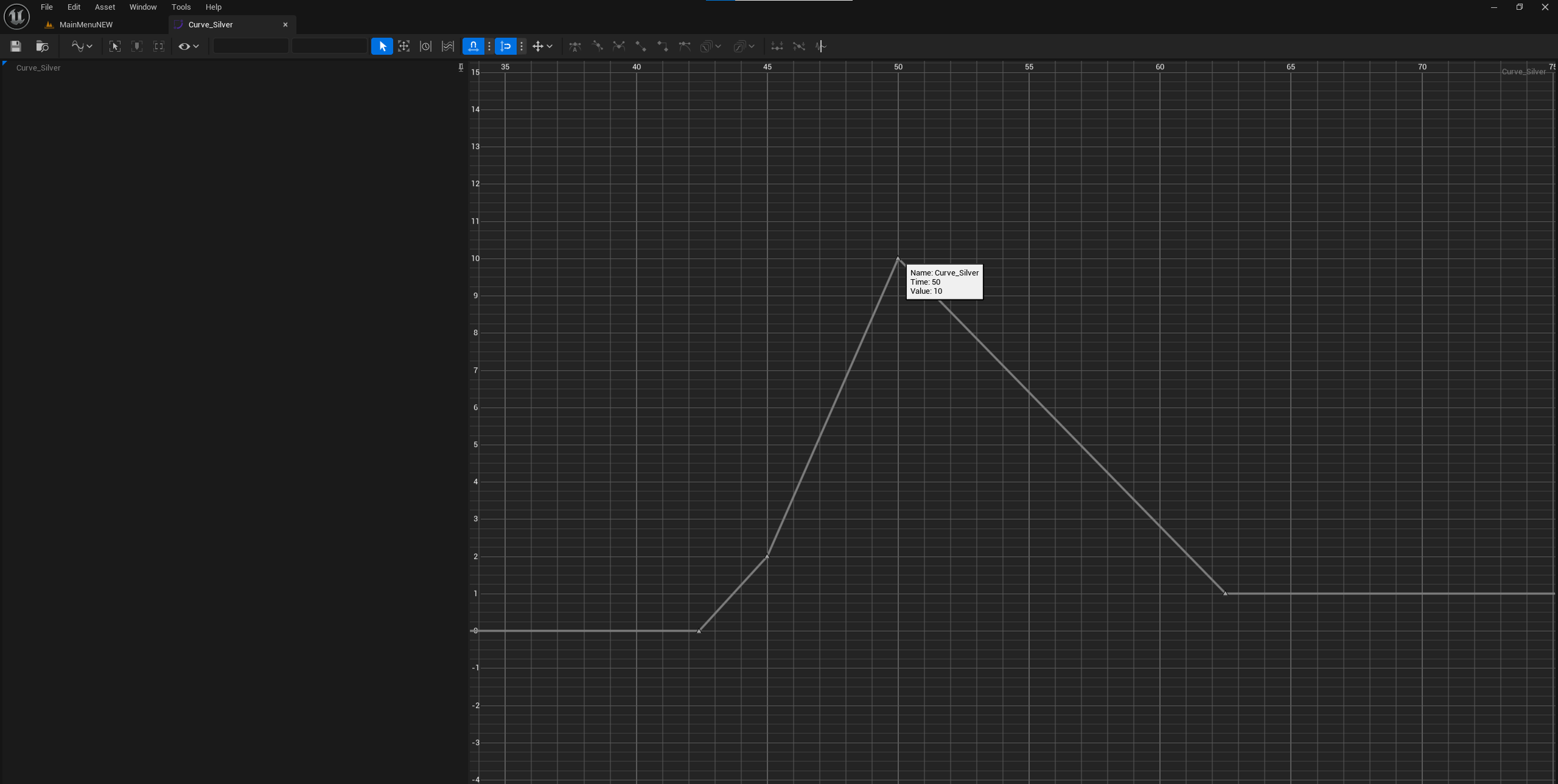
Silver and more valuable deep-layer minerals accumulated because their availability exceeded their limited use in recipes. I adjusted their spawn curves to reduce the oversupply. A documented conservative tuning pass reduced their peak curve parameters as follows:
| Ore | Previous peak | Revised peak |
|---|---|---|
| Silver | 20 | 10 |
| Gold | 16 | 8 |
| Platinum | 12 | 6 |
| Diamond | 8 | 4 |
Peak curve parameters before and after a documented balancing pass. These values describe the curves, rather than direct spawn percentages or ore counts.
Silver spawn curve · Unreal Engine
Giving plane repairs a stronger resource role
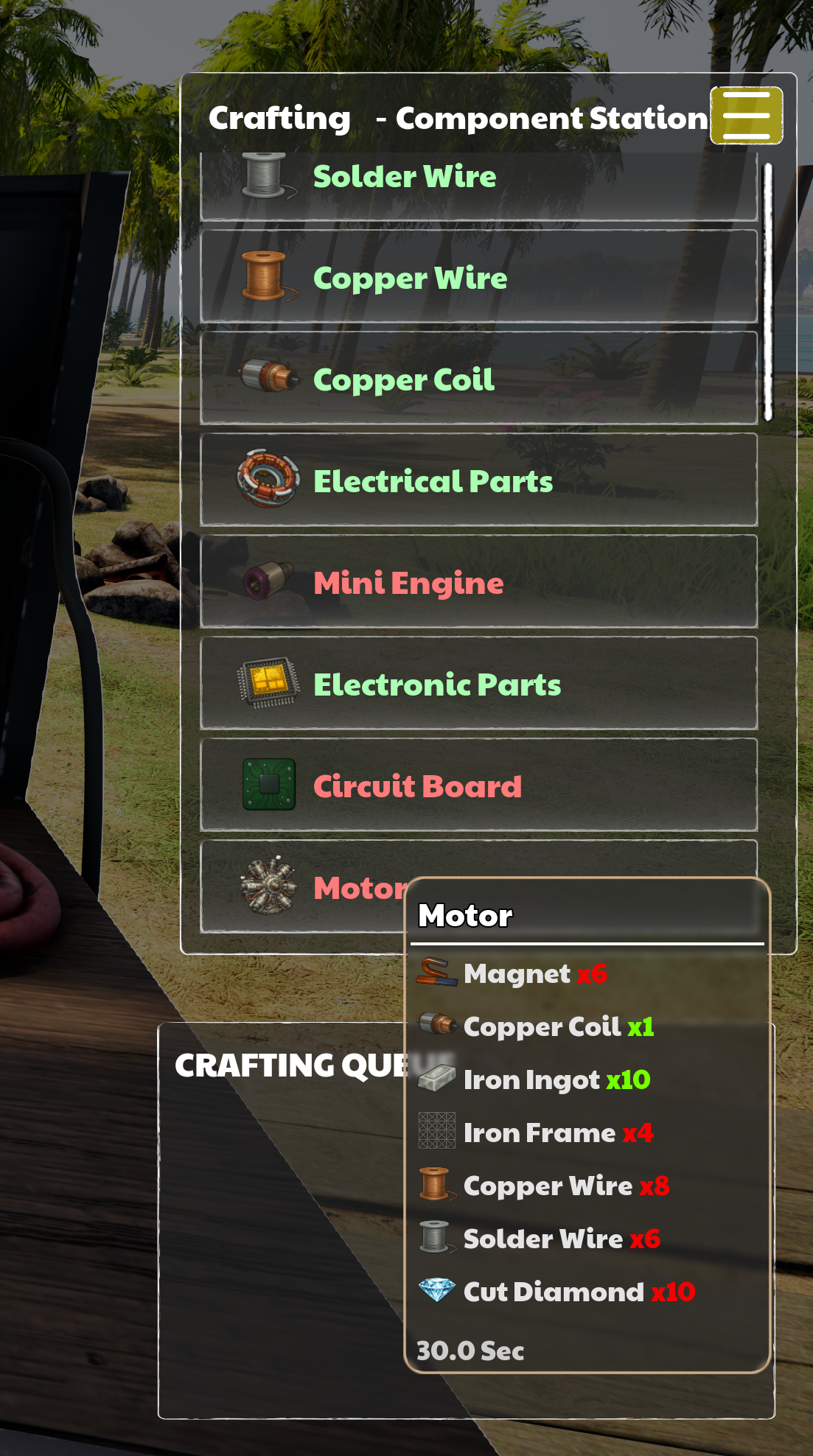
Plane parts are crafted once during a playthrough. I revised their ingredient requirements to make rebuilding the aircraft a sustained crafting goal, differentiating costs by part size and function and adding uses for precious materials. I also contributed placement suggestions for broken parts alongside the level-design team.
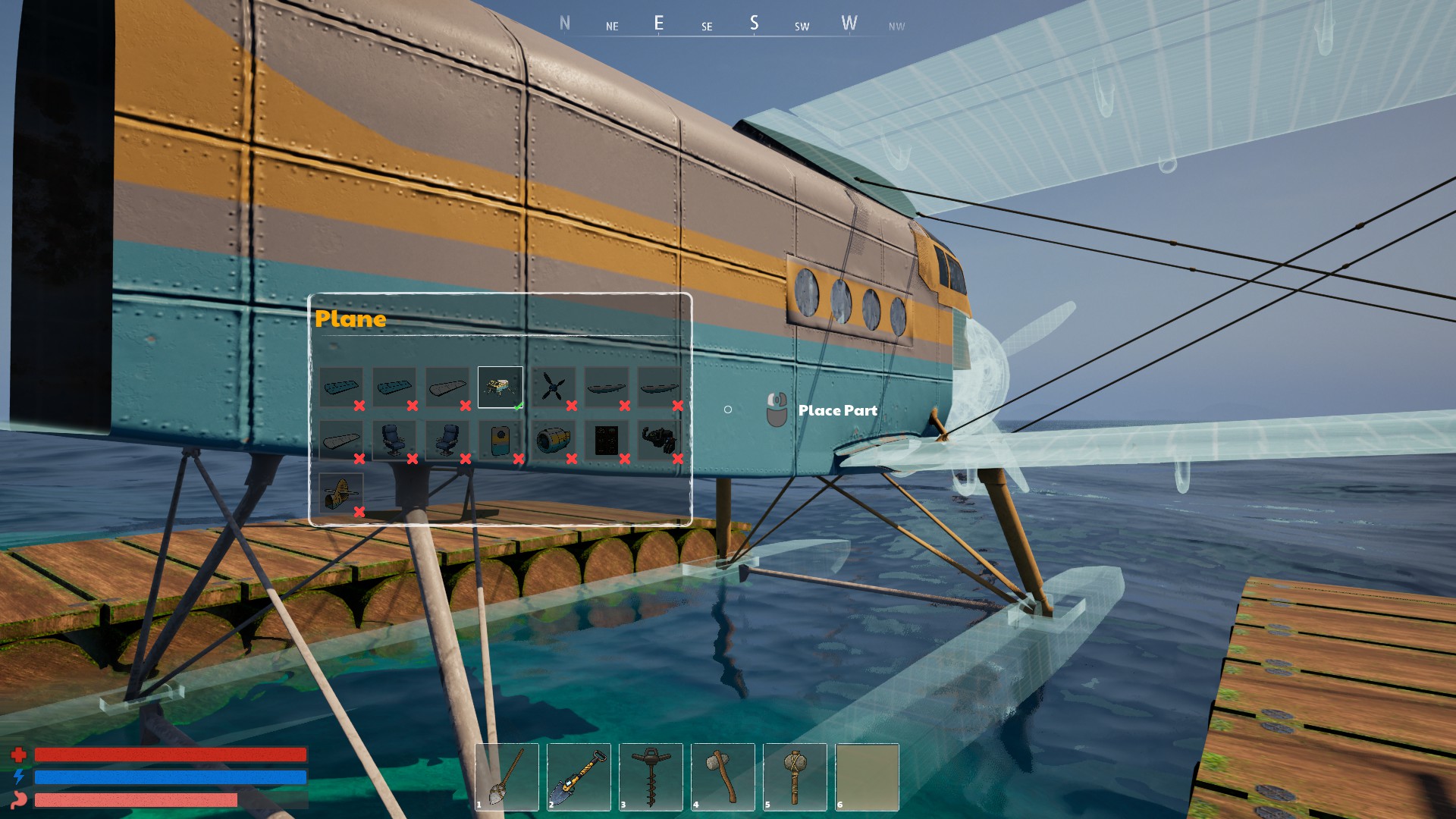
View an ingredient example
Early Access Systems
During Early Access, I contributed to new energy-management and vertical-travel systems through design documentation, iteration and review.
Backpack Generator: supporting longer digs
Late-game drill use created pressure on the player’s energy supply. I explored ways to reduce interruptions to underground exploration while keeping existing energy consumables relevant.
The released Backpack Generator uses fuel to improve energy regeneration. I developed design specifications for the device and reviewed and approved its final design with the team.
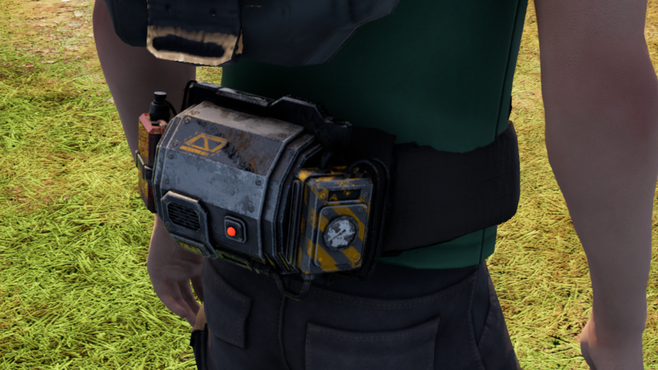
Watch the in-game animation
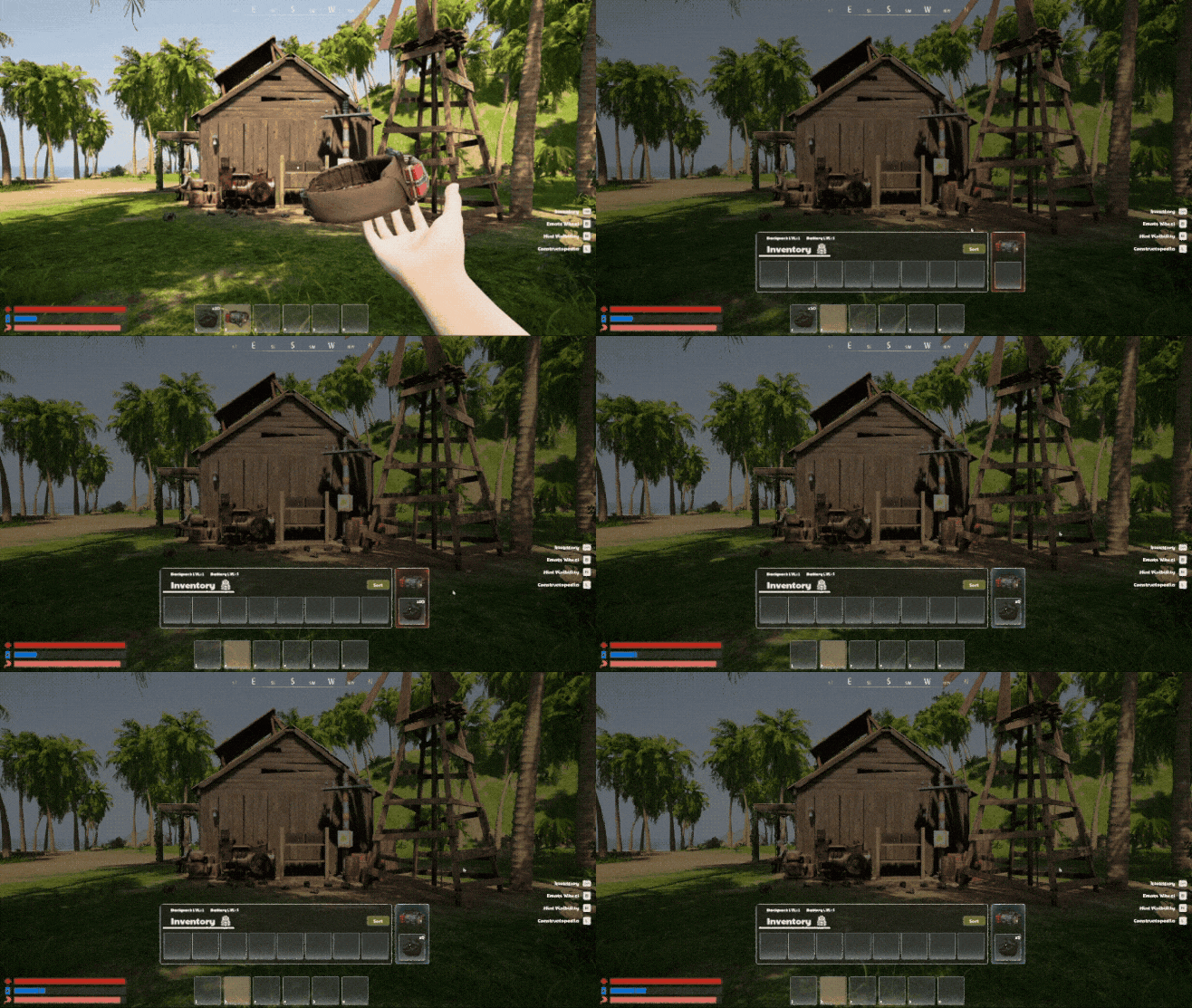
Alternatives explored during design: An equipped Backpack Generator, a deployable Portable Generator, and extending power lines from the base.
Cabin Elevator: another route underground
A new Cabin Elevator system expanded the options for travelling between the surface and deeper work areas. I contributed to refining its design during Early Access.
The electrically powered system combines main units and shaft extensions. Players travel between main units, while built-in cabin storage supports moving gathered resources back to the surface.
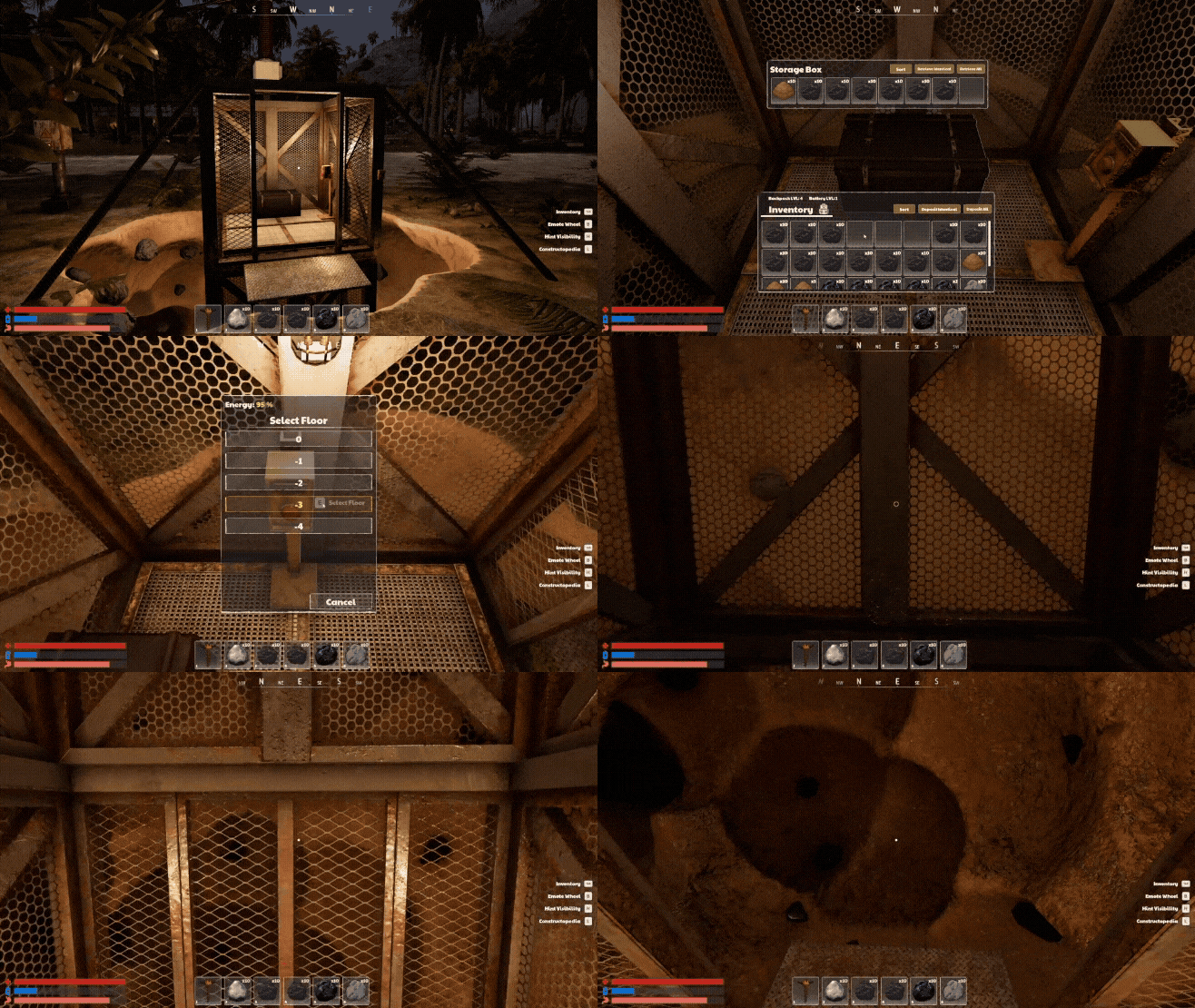
Gameplay media and released feature descriptions: Dig Island · Update 0.5.
Dialogue & Voice-Over
I helped bring Dig Island’s dialogue and voice-over content to its release form, working from drafts inherited from the project’s original designer.
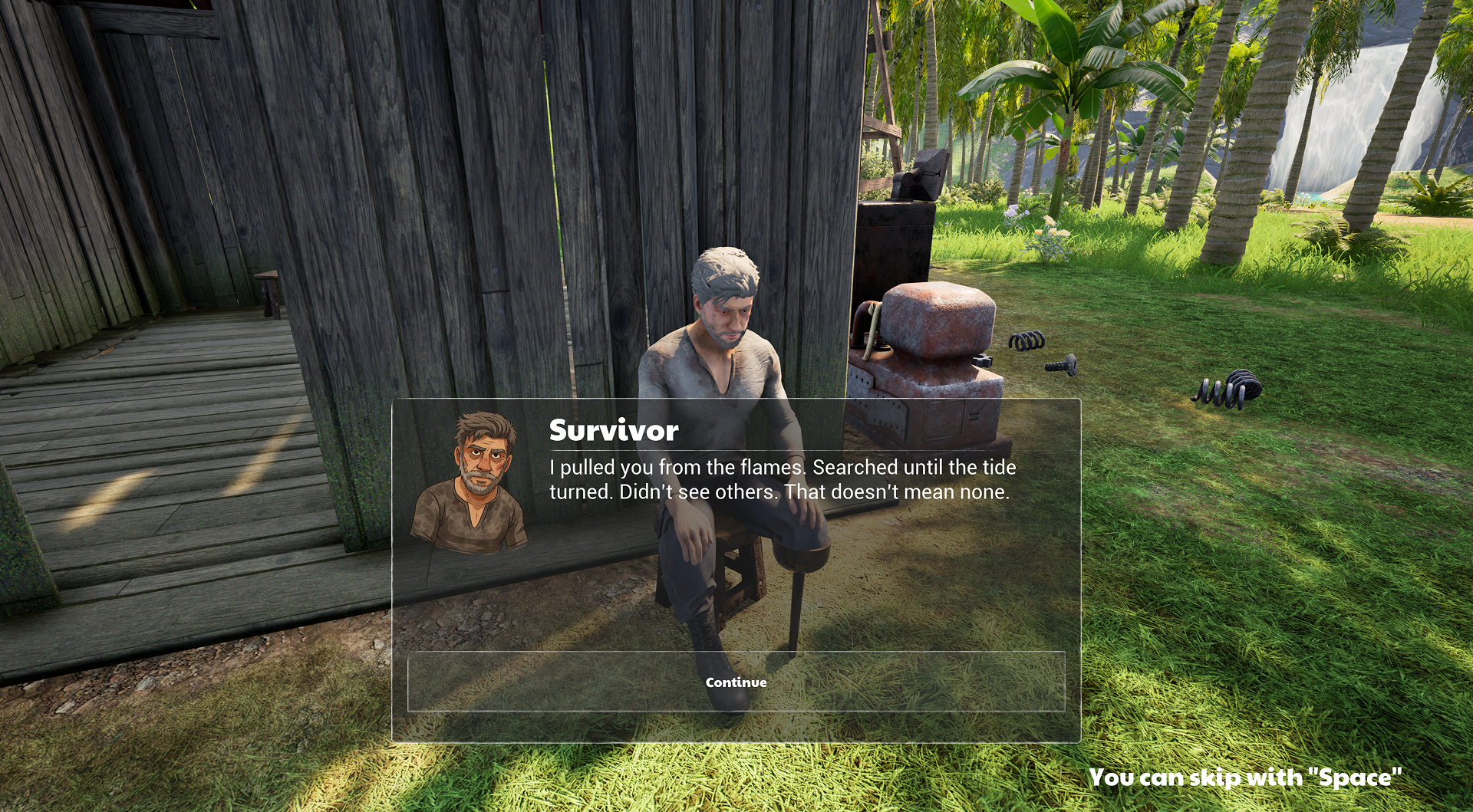
Finalizing the dialogue
As the project approached Early Access, I substantially revised and finalized the dialogue drafts, with final approval over the text for the player characters and the Survivor.
Preparing the recorded voices
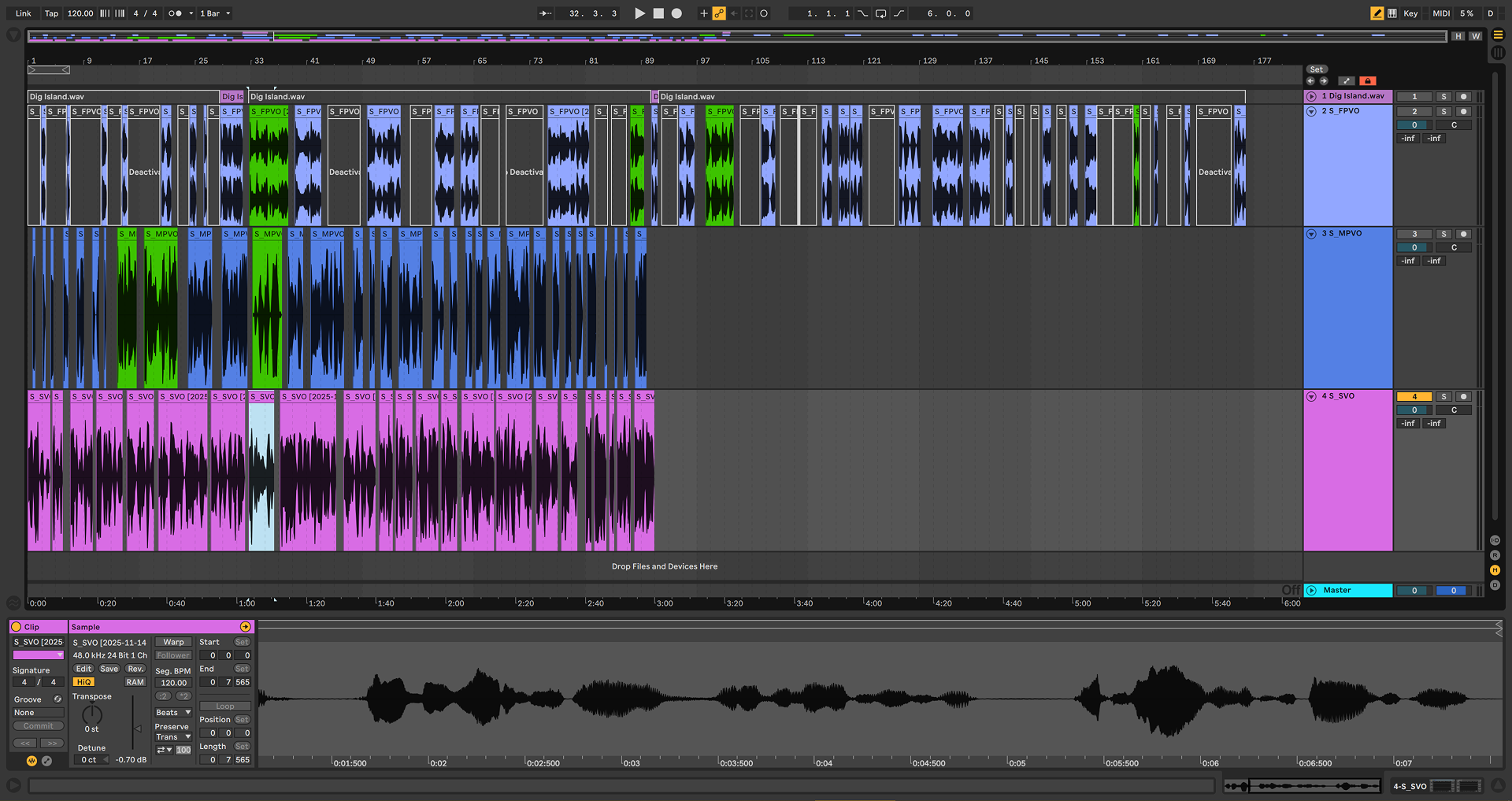
For voice-over editing, I worked with supplied recordings in Ableton, trimming and organizing the male player, female player and Survivor lines into final WAV files for engine import.
View the voice-over editing session
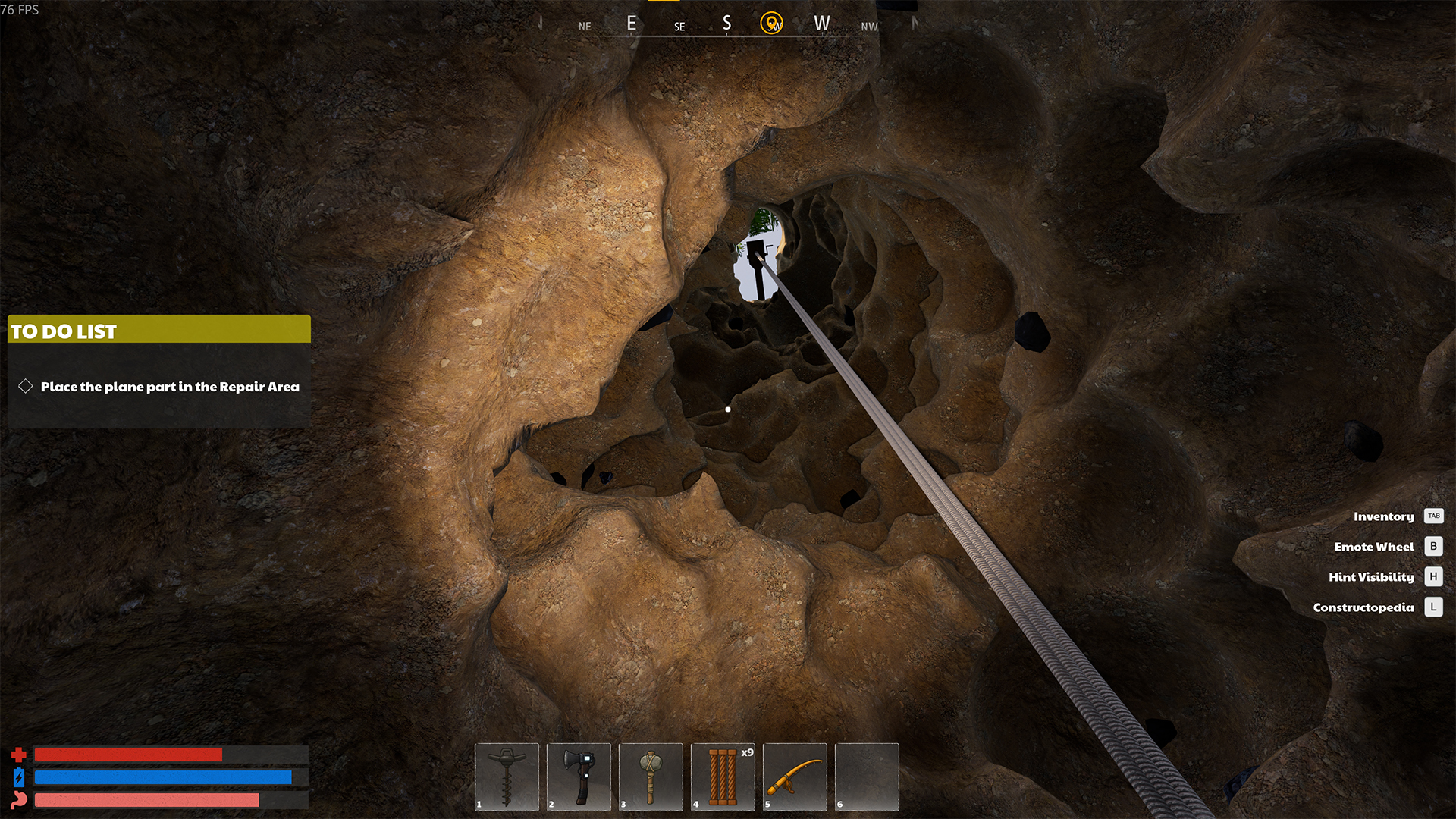
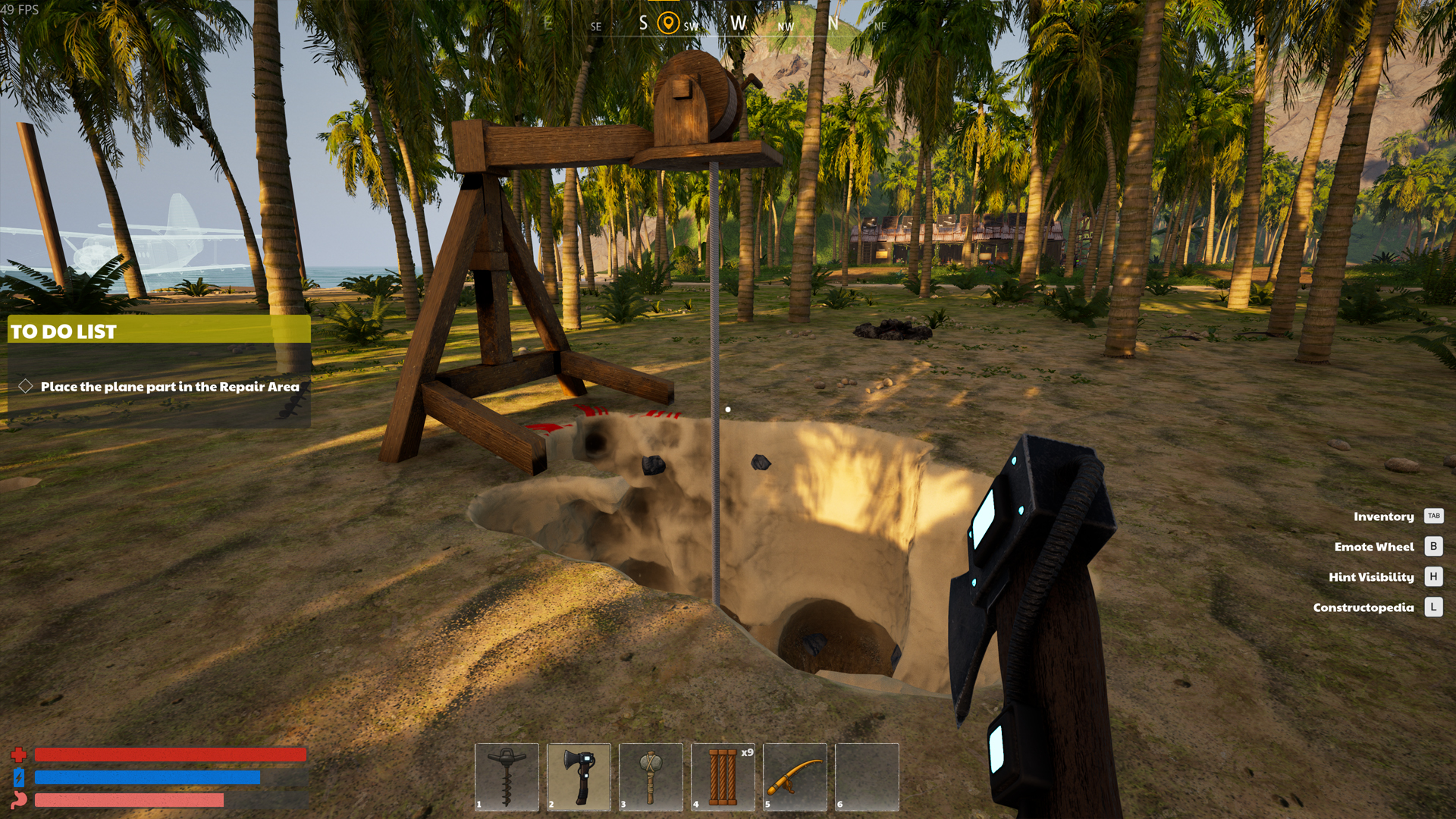
Gameplay context
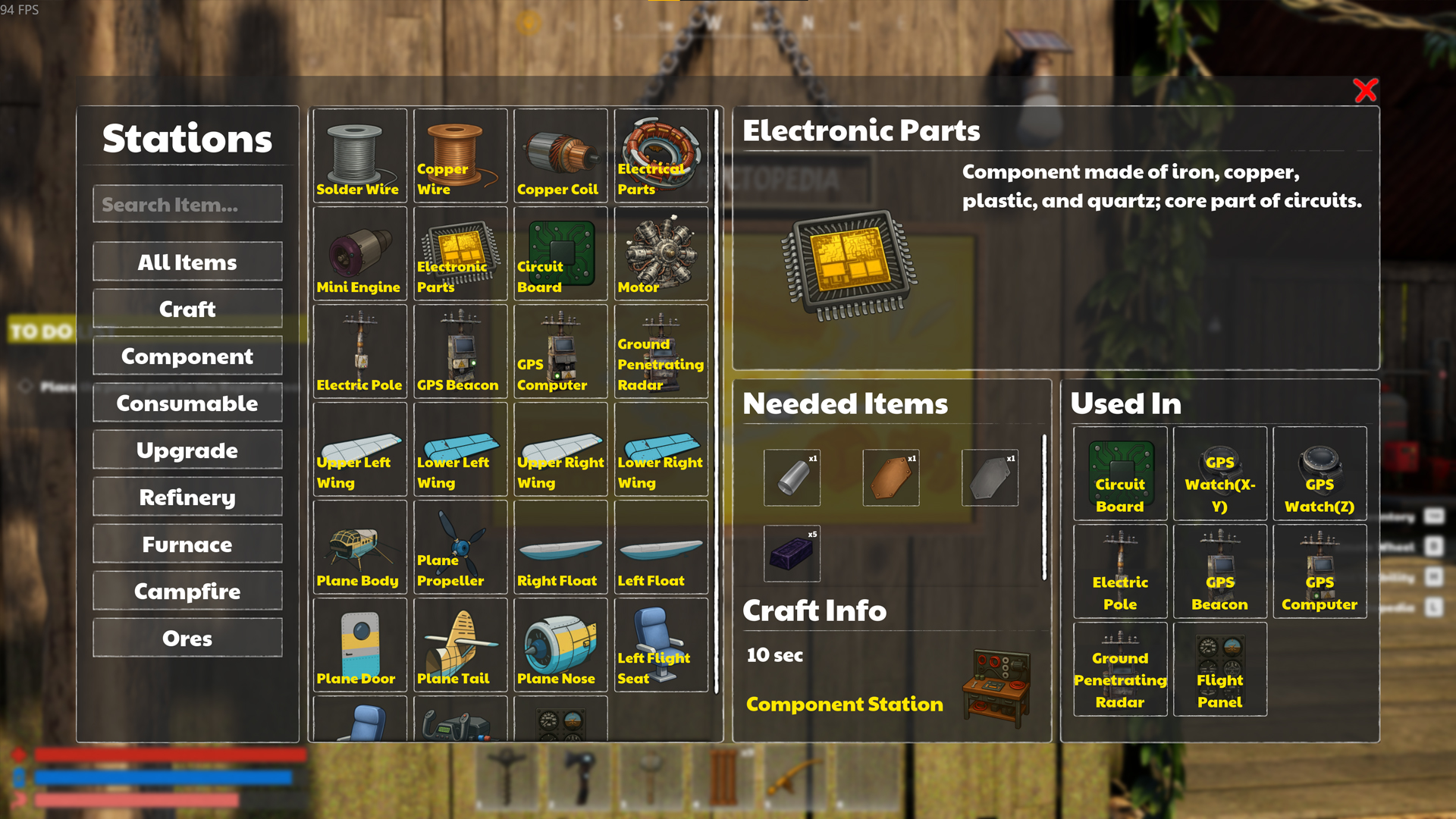
View crafting interface examples